|
BEHIND THE SCENES (FUGITIVES IN SPACE) |
Updated: March 02, 2025
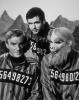
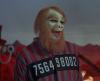
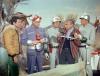
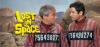
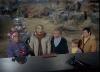
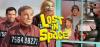

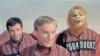
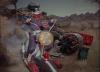

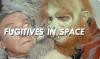
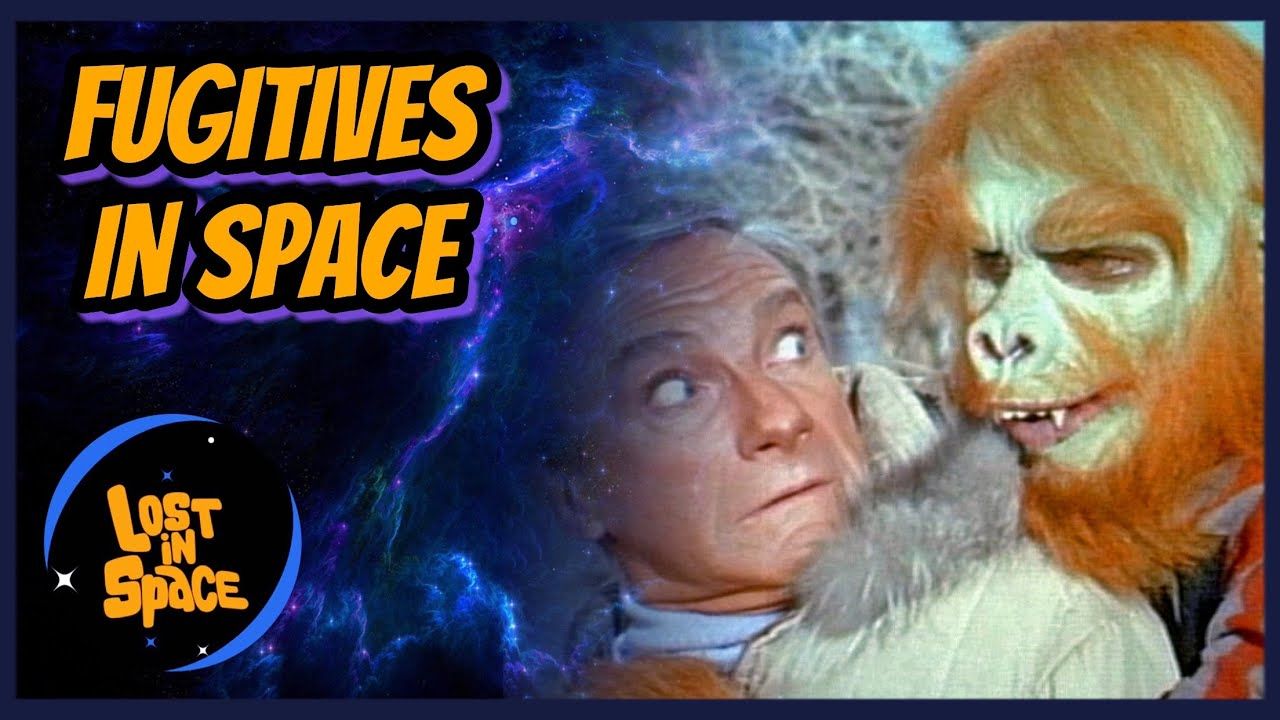
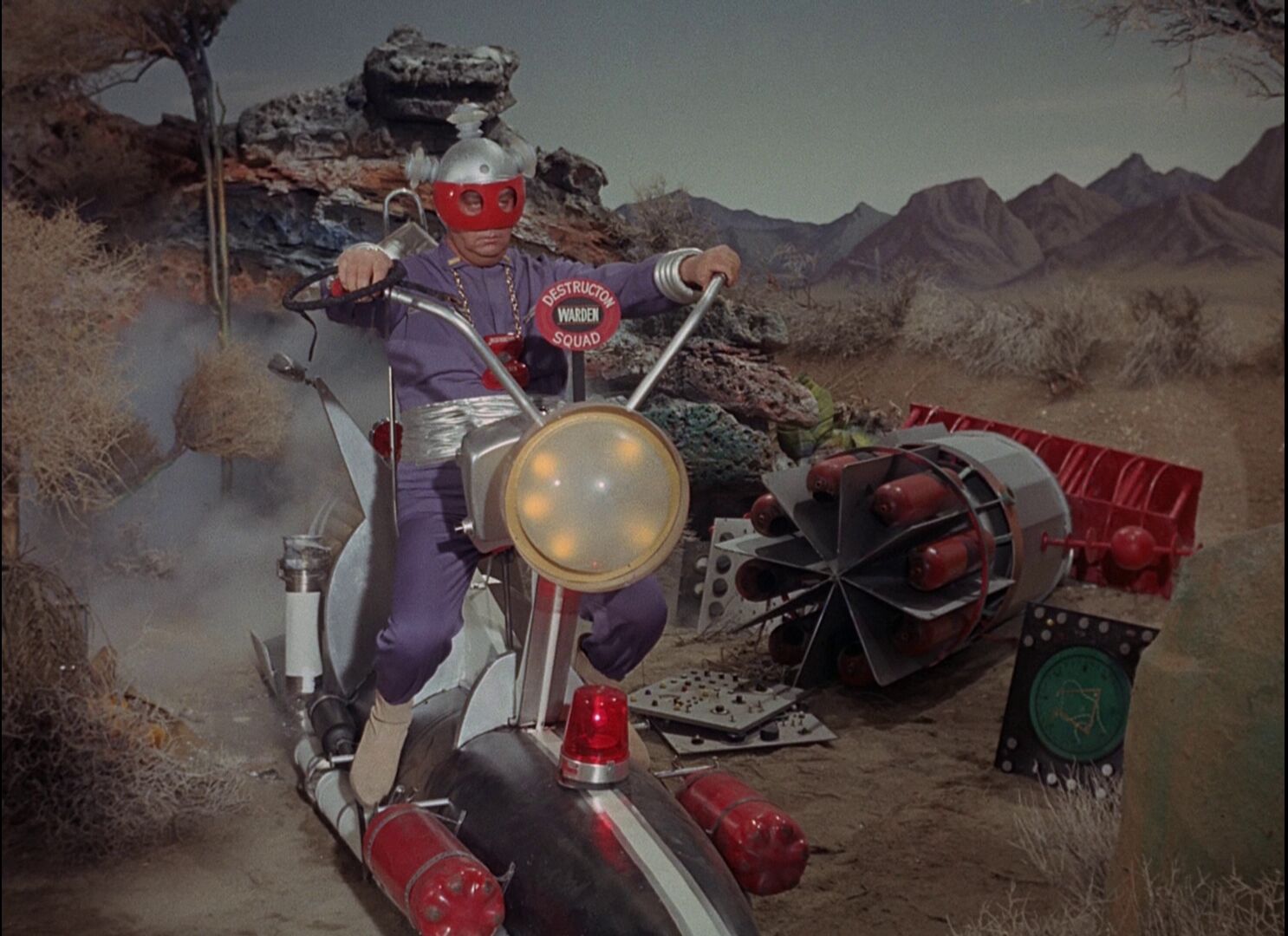
On a distant prison planet, a jailbreak takes place. One of the prisoners manages to steal a space motorcycle and get away, eventually arriving on the same little planet on which the Robinson Family has set up camp.
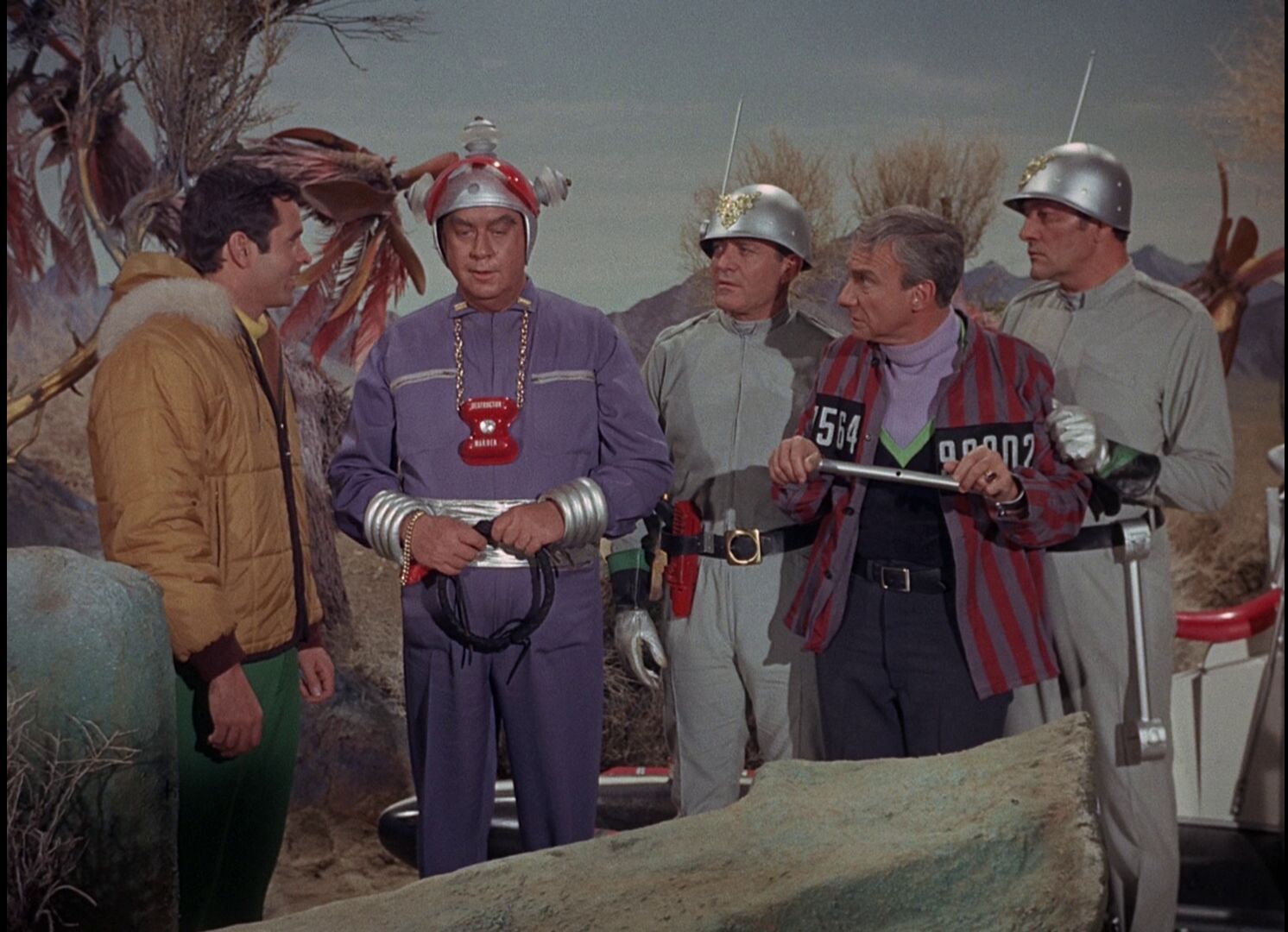
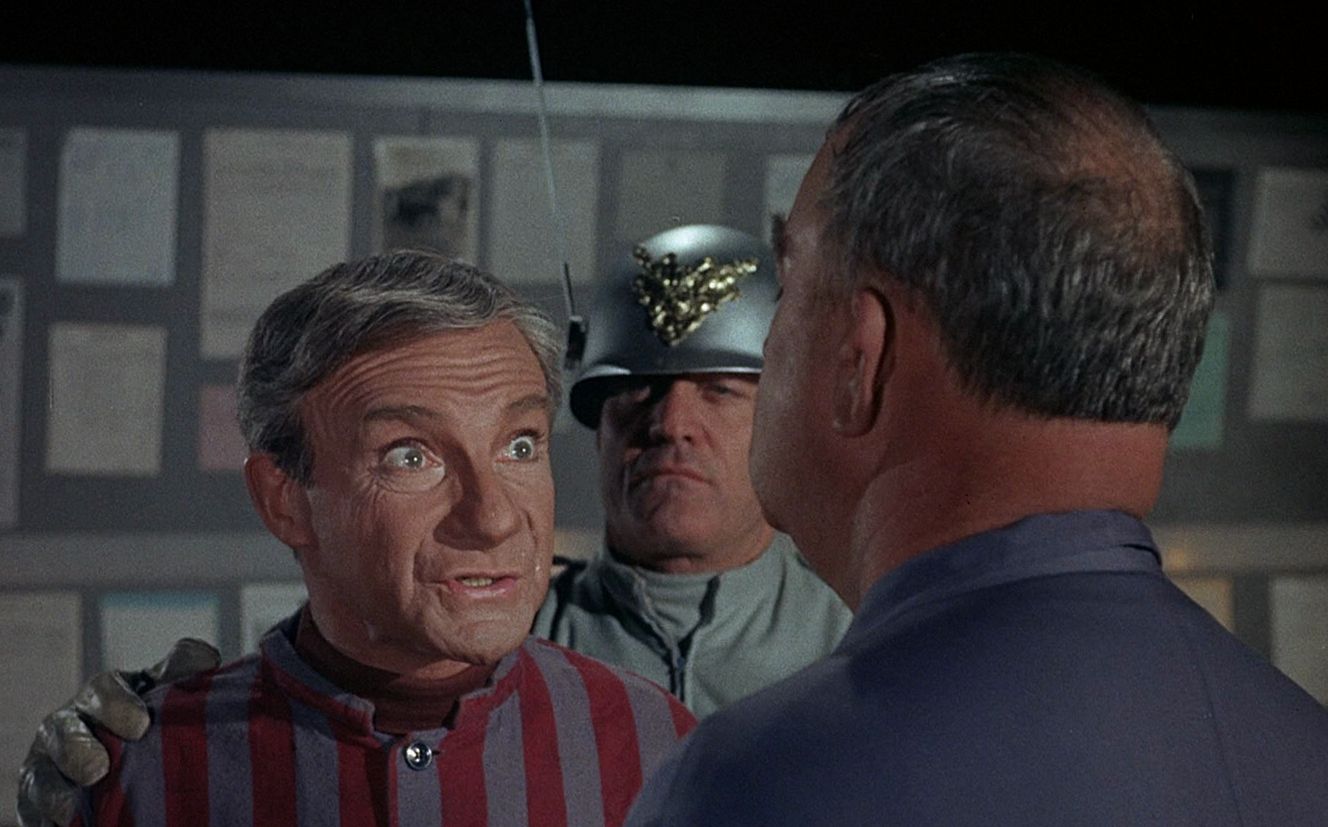
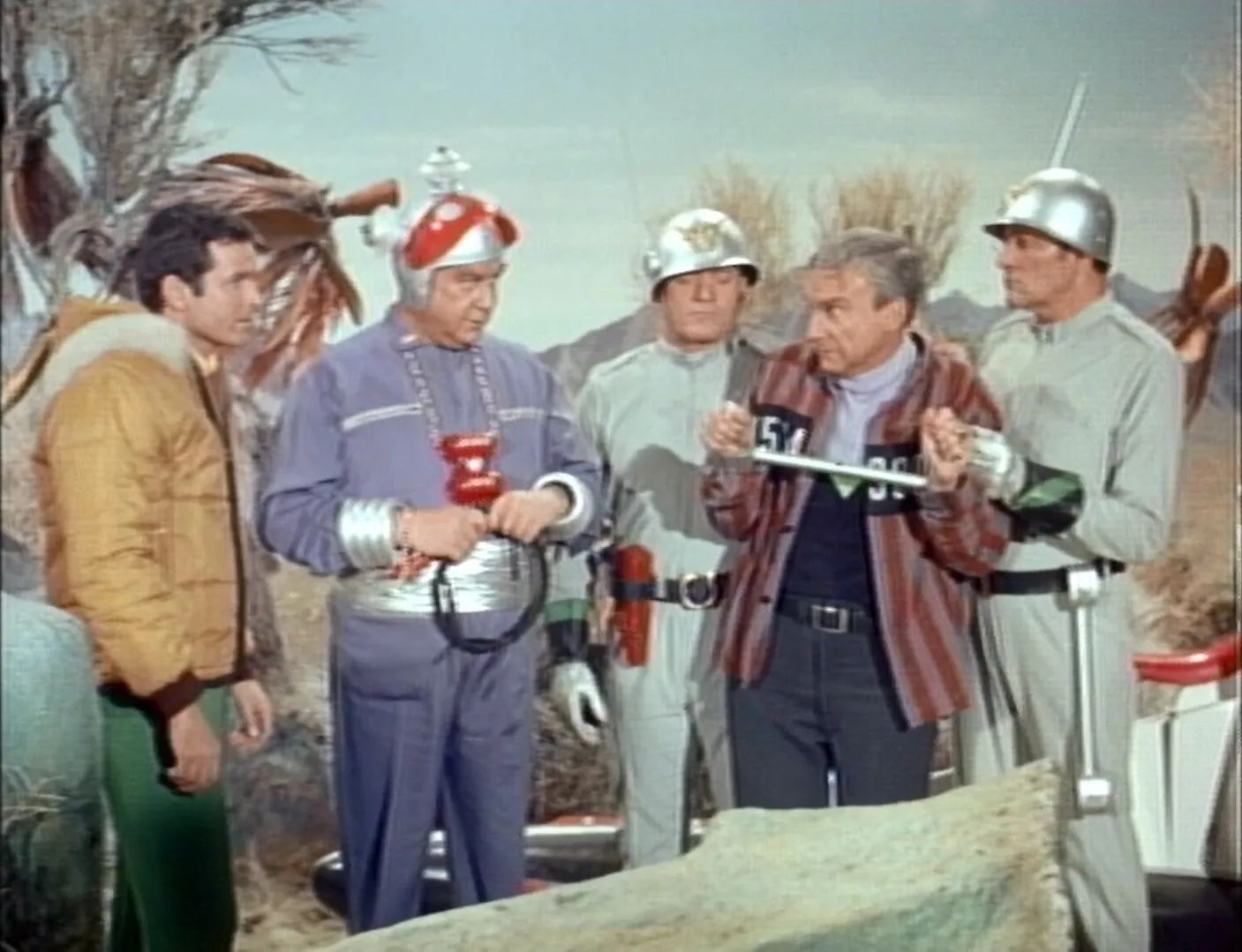
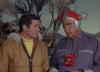
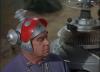
The prisoner, whose name is Creech, happens across Smith, and forces the doctor to switch clothing with him before running away. When the prison officials arrive, they discover Smith dressed in prison gear and assume that he is the escaped convict. Smith tries to explain the situation, but only manages to get himself in deeper trouble when the Warden assumes that Smith must have helped Creech to escape.
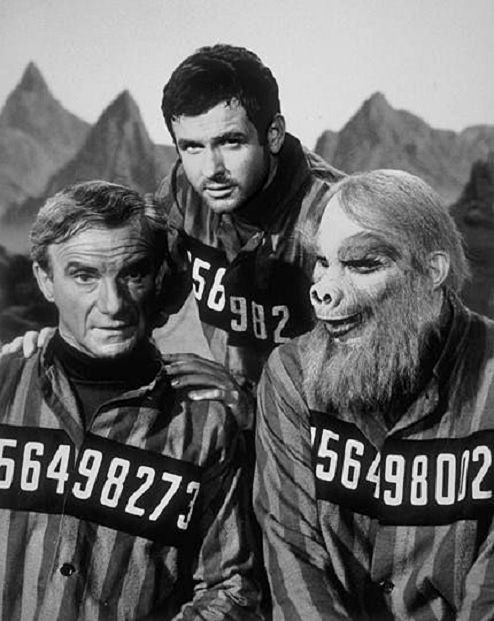
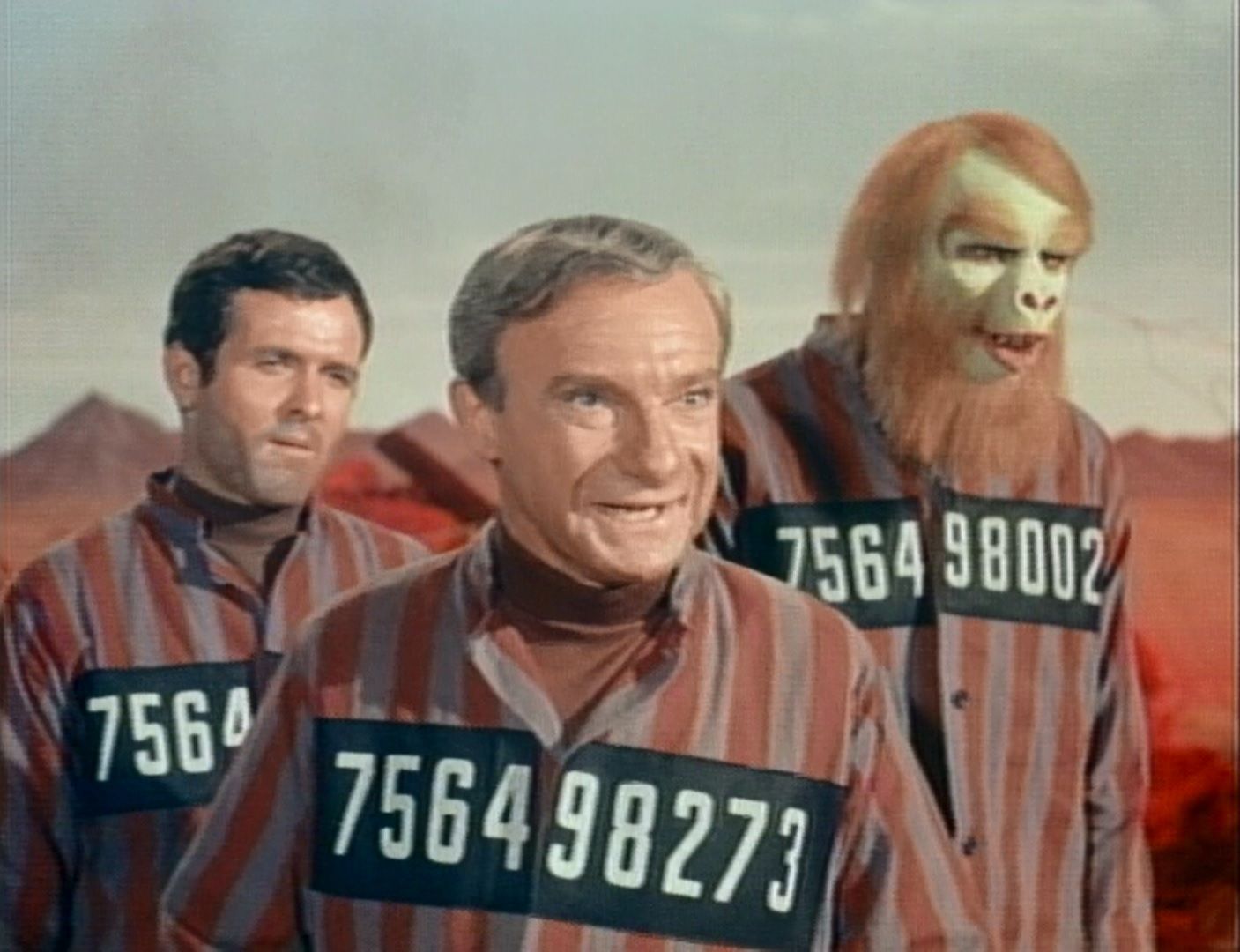
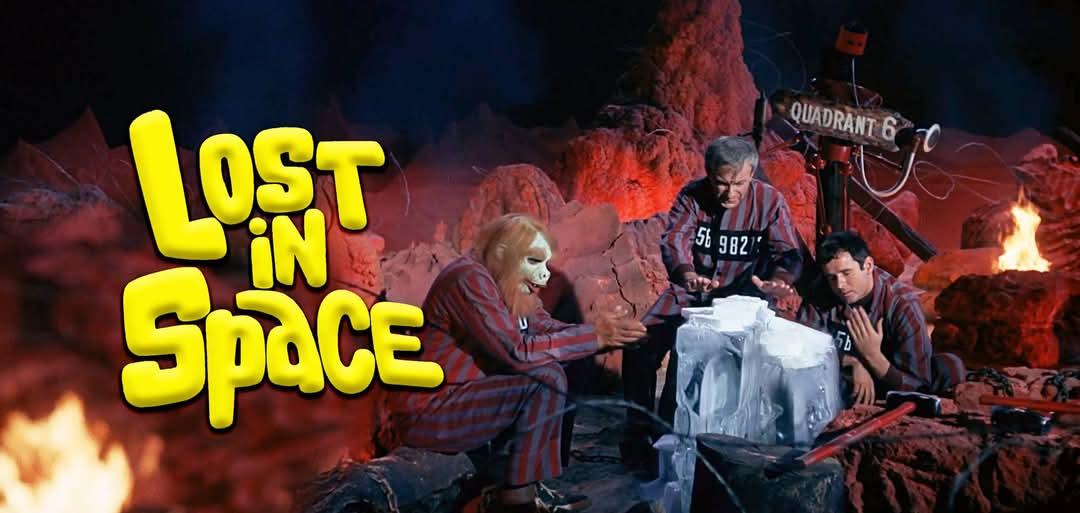
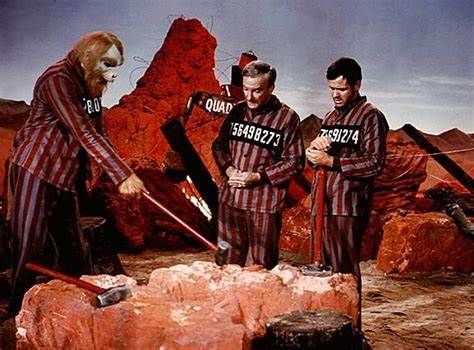
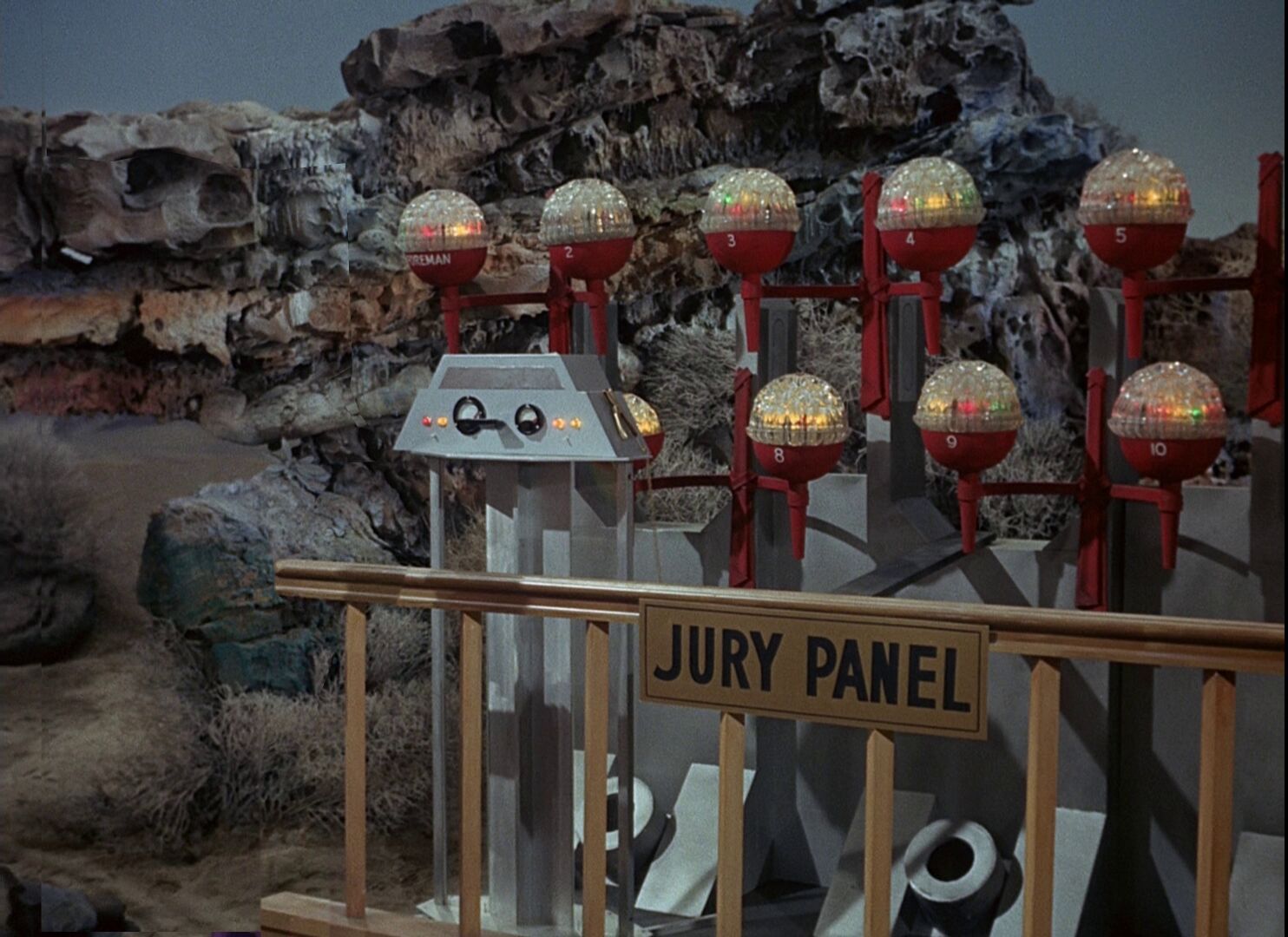
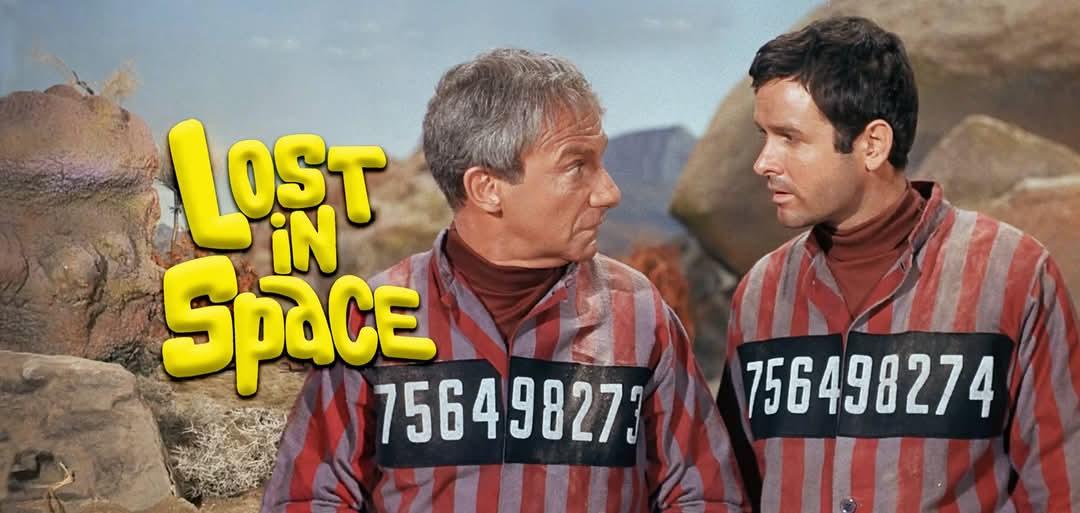
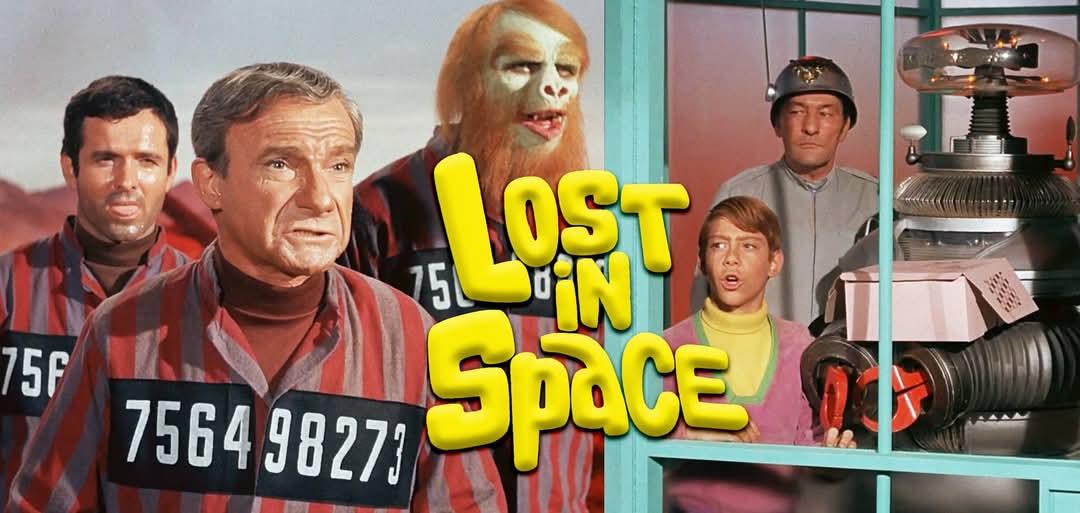
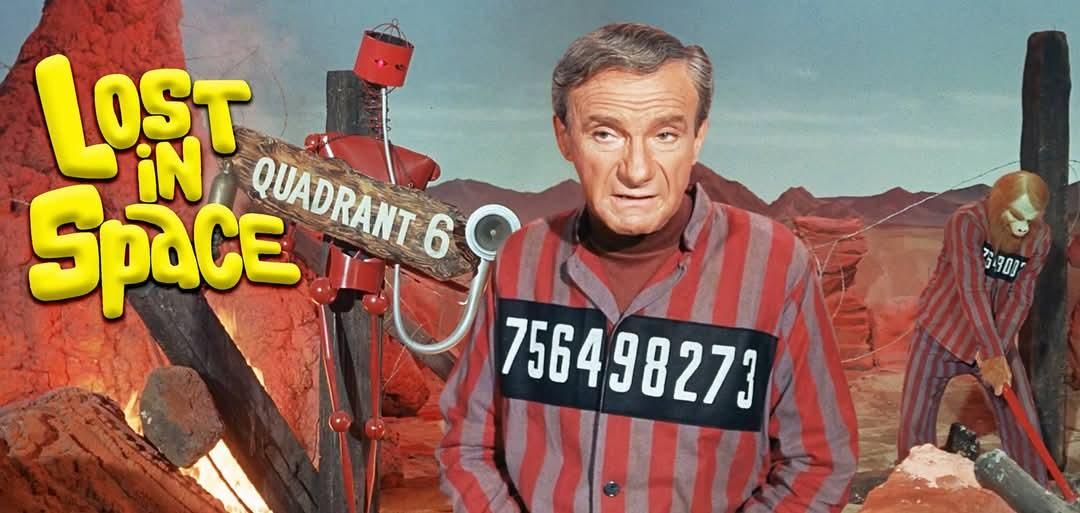
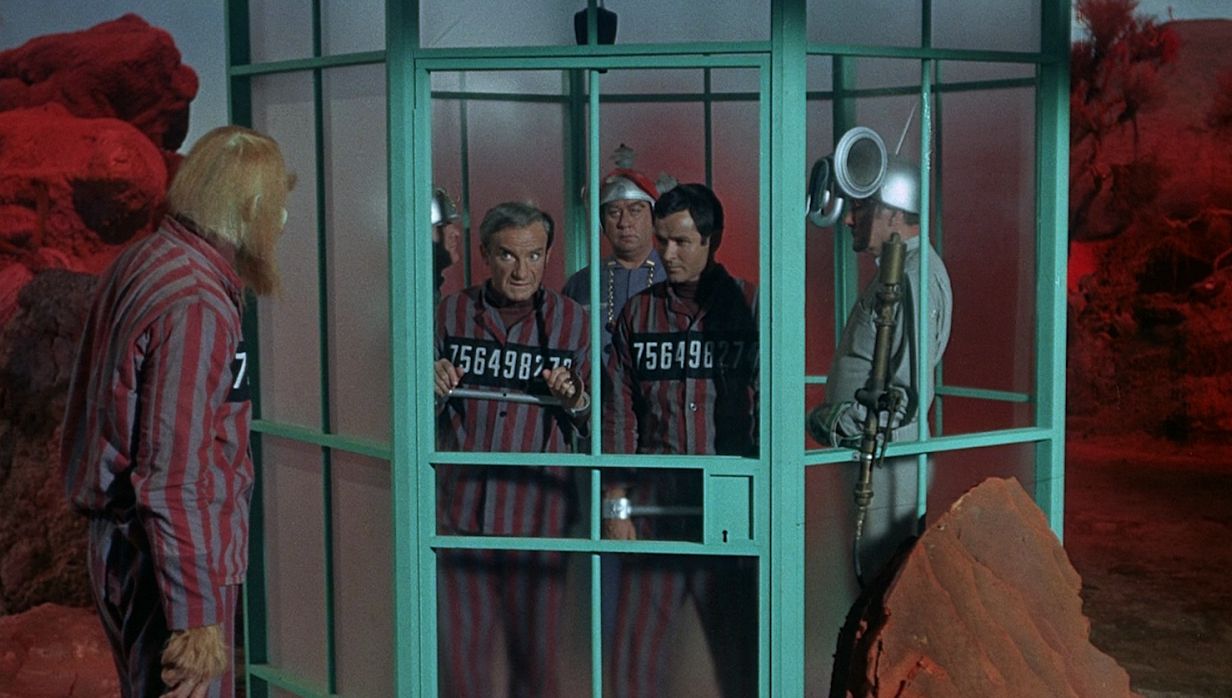
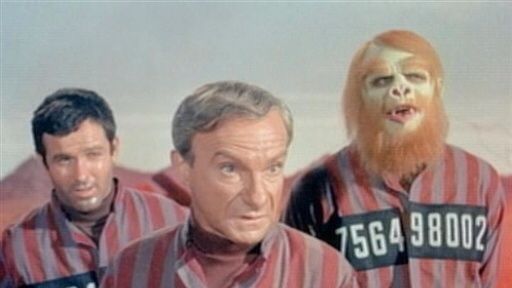
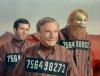
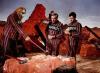
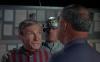
The prison officials arrest Smith and prepare to take him away. Don arrives, and tries to help. When the guards and warden ignore the Major, Smith tries to pin the blame for the entire ordeal on Don instead. In the end, both Smith and Don are arrested and taken away to a terrible prison planet. Chained to the freshly recaptured Creech, they are forced to break rocks all day in the hot sun with no hope of release.
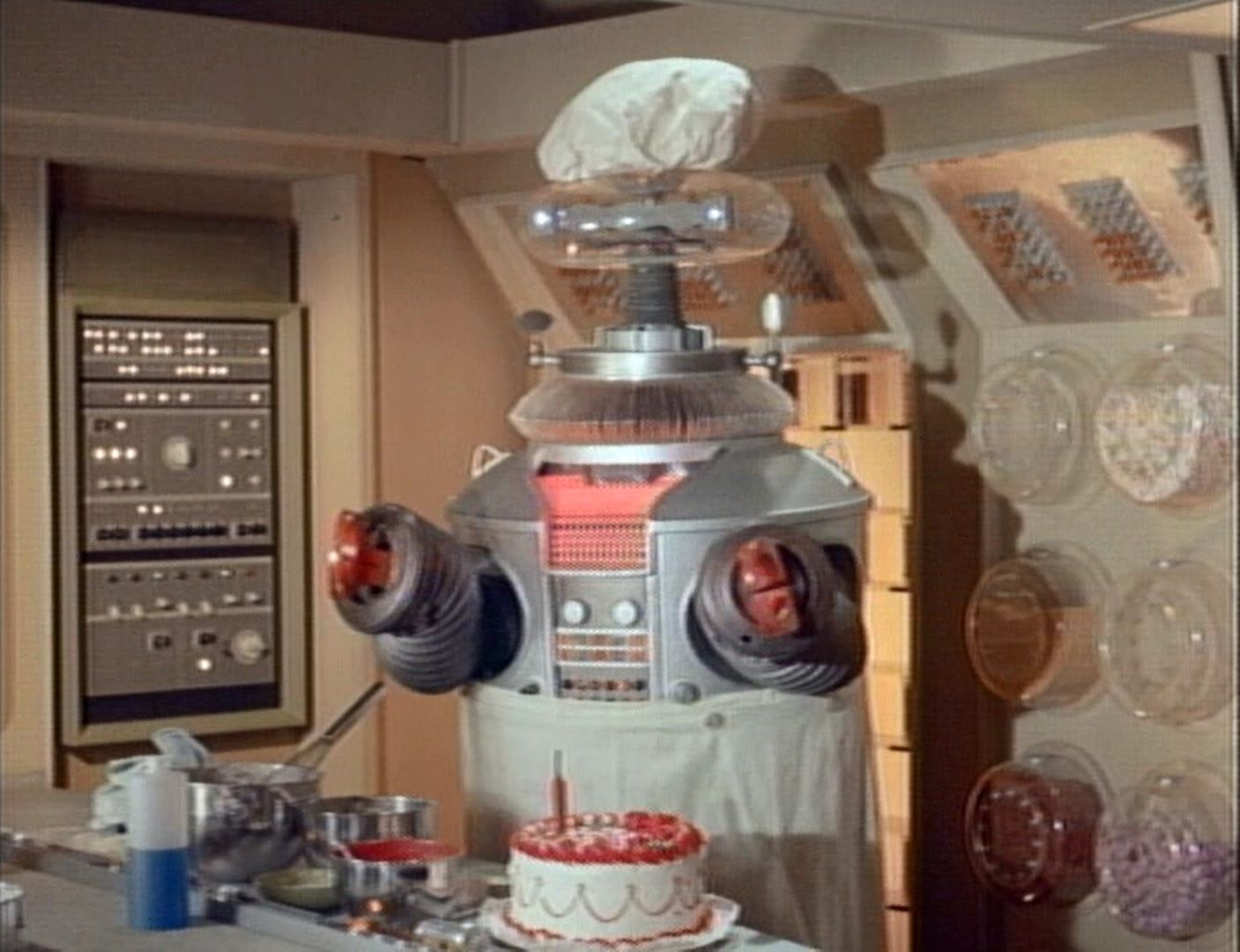
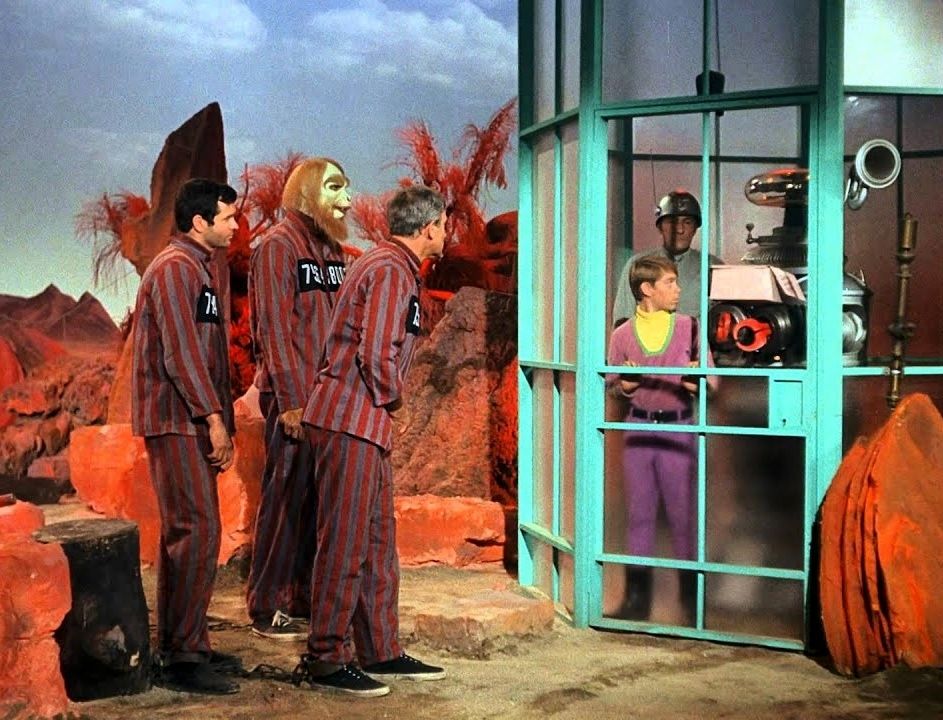
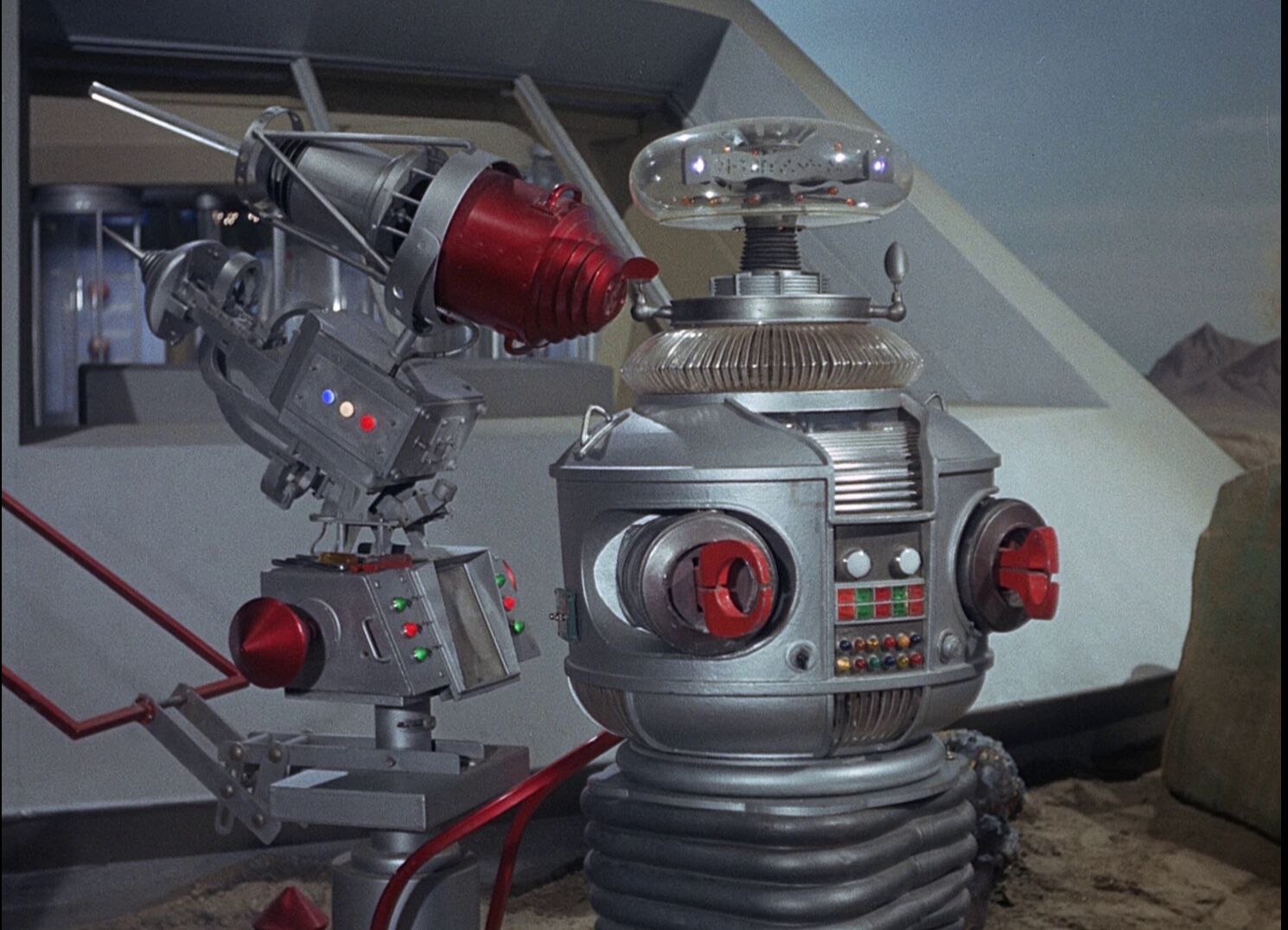
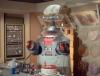
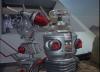
Meanwhile, Will and the Robot try to come up with a plan to help their friends escape. The Robot bakes a special cake filled with explosives and sneaks it past the guard to Smith and Don. Unfortunately, Doctor Smith’s refusal to accept the gift ruins everything, and Will and the Robot only get themselves into trouble as well.
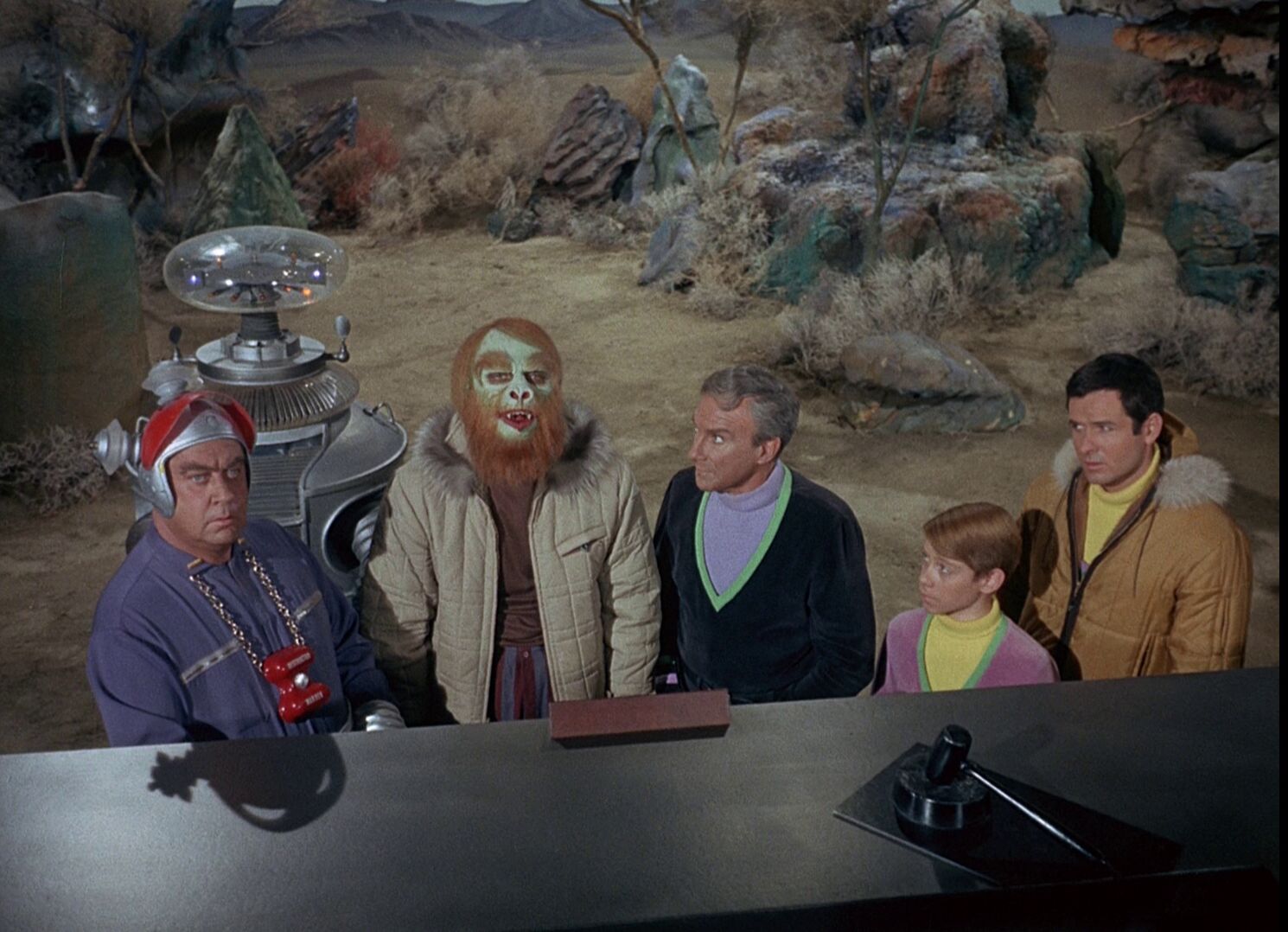
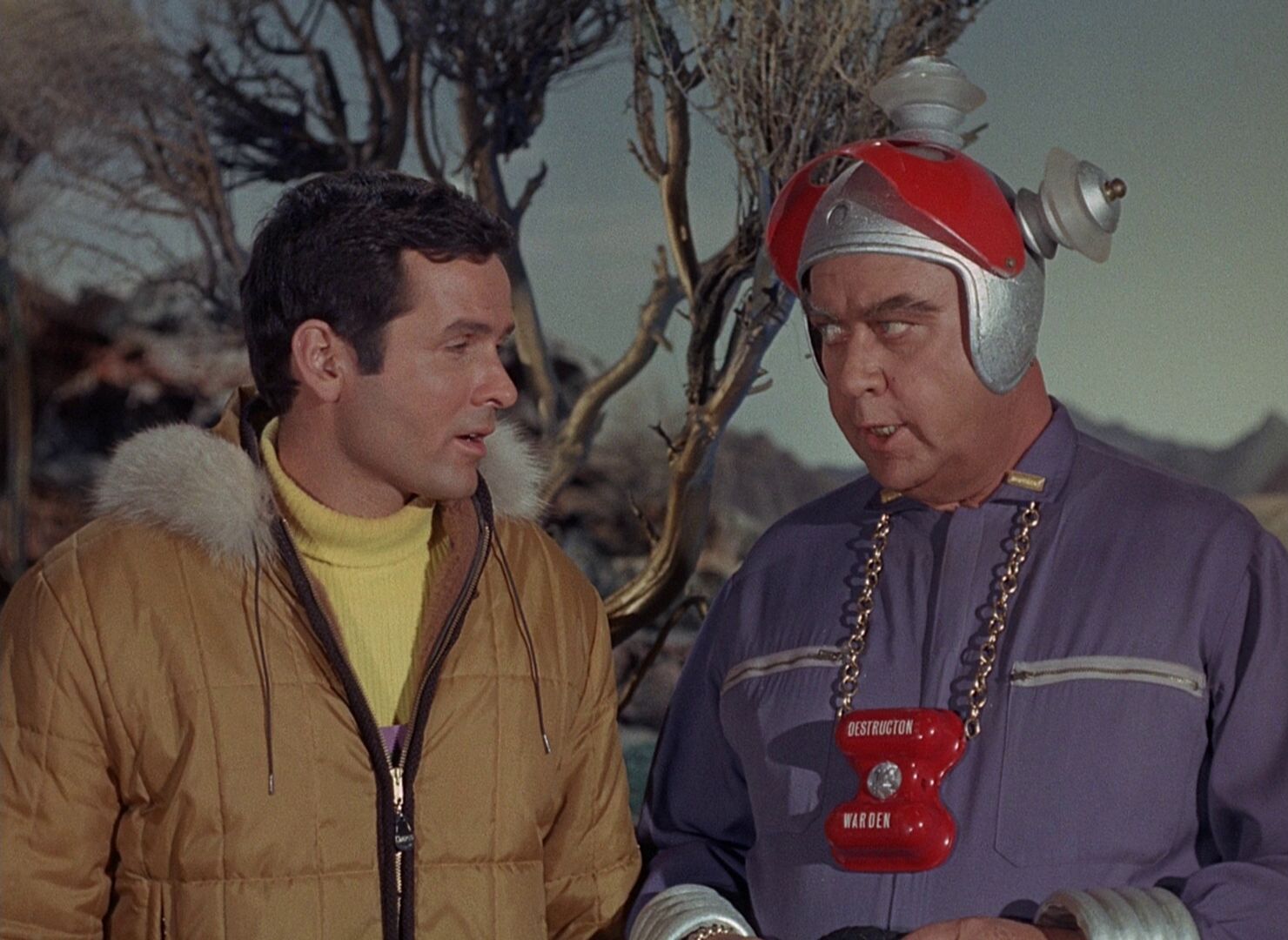
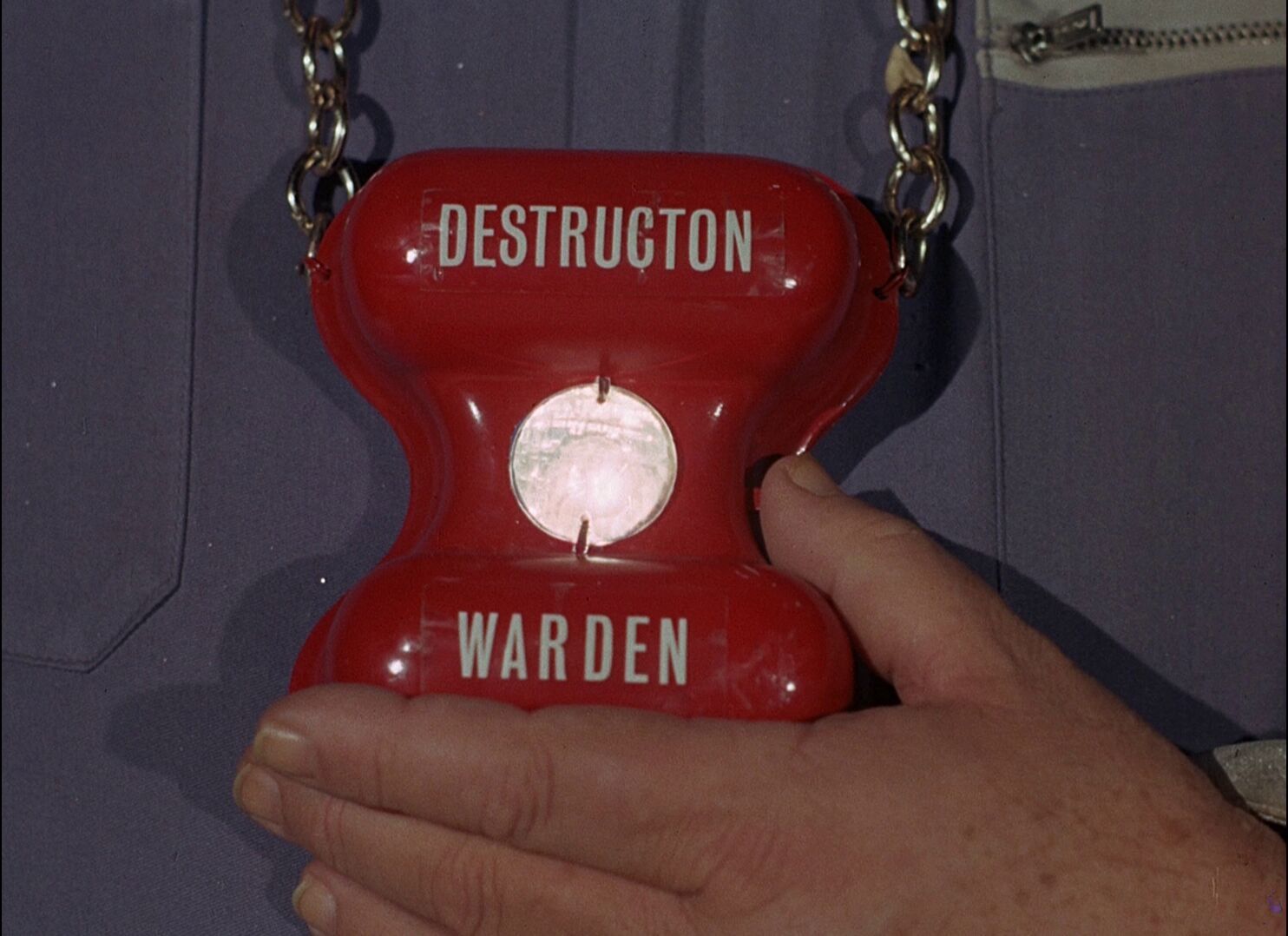
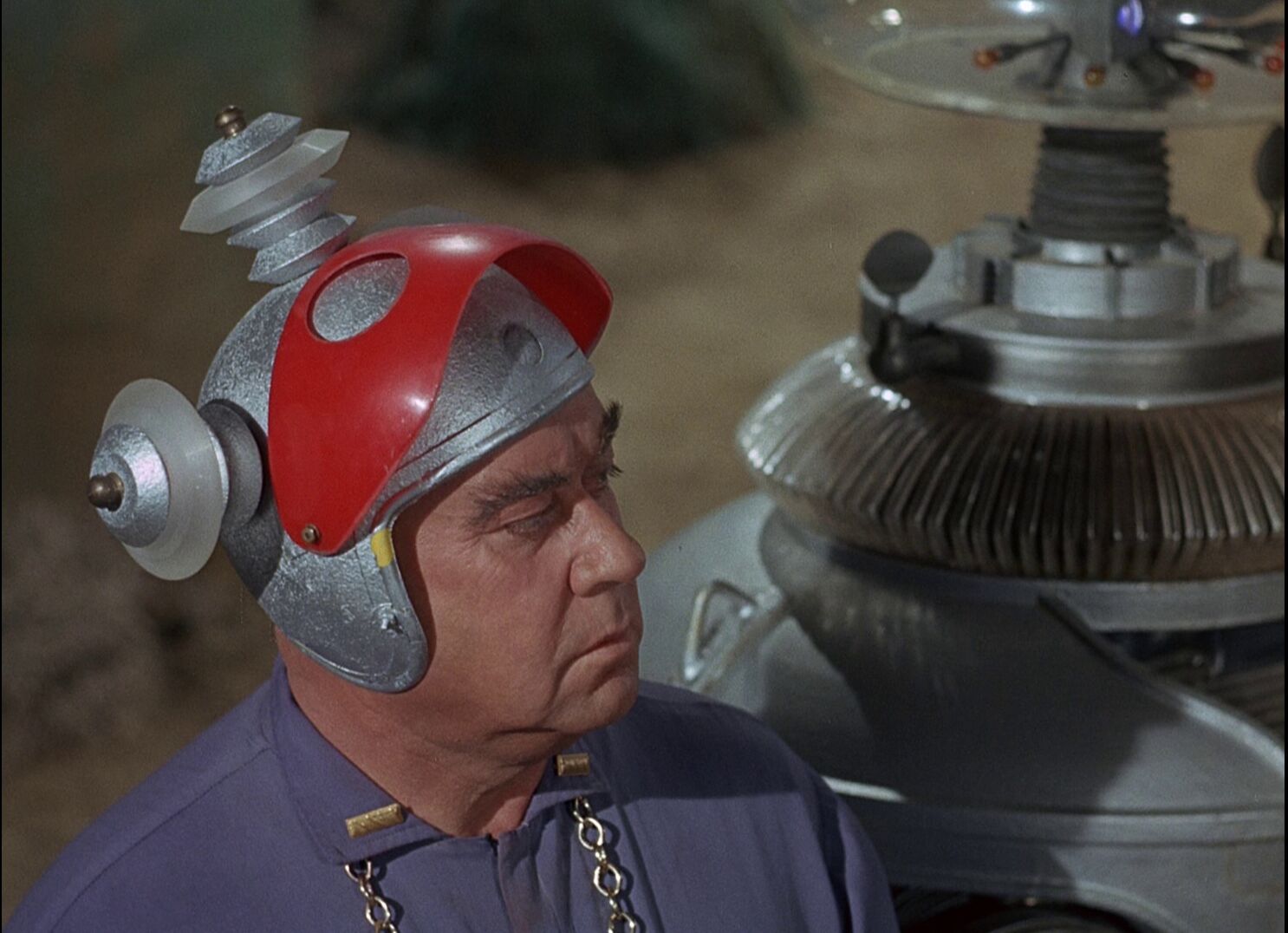
The pair are taken to see the warden, who explains to them that Smith and Don were only convicted as part of a ploy. Their cellmate, Creech, is prone to escaping, and has a fortune in deutronium hidden away somewhere. The warden hopes that Creech will talk Don and Smith into escaping with him. The warden can then follow the trio and discover where Creech’s stash is located. Both Will and the Robot think the warden is being very unfair, but can do nothing to stop him.
Creech does indeed tell Don and Smith about his hoard of treasure. He bullies the pair into escaping with him, forcing them to traverse the dangerous terrain of the prison planet. As they approach a deadly mine-field, Don decides he has had enough and refuses to go any further. Creech and Don get into a fight and the Major is rendered unconscious.
In a rare display of loyalty, Doctor Smith refuses to go along with Creech, claiming he cannot bear to leave his injured friend behind. Creech takes off on his own, and is quickly incinerated by a landmine. Seconds later, the warden arrives to announce that Smith and Don have been pardoned and are now free to go.
Angela Cartwright, Marta Kristen, June Lockhart, and Guy Williams are credited but do not appear in this episode. At least some of these non-appearances were due to their characters being purposely written out of the script because the actors laughed during the filming of "The Great Vegetable Rebellion". This was one of Mark Goddard's favorite episodes. Smith breaks the fourth wall in this episode.
Michael Conrad ( Creech ) was the second future "Hill Street Blues" star to appear on Lost in Space. And, according to a story that appeared in some Science Fiction magazine years ago, Mark Goddard said that he and Michael Conrad studied together at an acting school in New York City and were friends, but Goddard did not realize that Conrad was Creech until he saw him out of makeup after the episode was filmed.
How is it possible that the Robot was programmed with the Intergalactic Penal Code when humans had not yet made contact with any alien species prior to the launch of the Jupiter=2? It is stated that John and Maureen are away, which is why Will and the Robot must rescue their companions on their own. Surely John and Maureen would have left Will a way to contact them in case of an emergency. Doesn’t Don and Smith getting arrested and taken away to a deadly prison count as an emergency?
Where are Penny and Judy throughout this episode?
The Robot claims he can only withstand explosions under 10 Alphatrons. However, he gets hit by a 12.1 Alphatron explosion and walks away from it in one piece. Why was Creech wearing Converse All-Stars? Sure, they’re stylish, but they’re not exact prison issue, are they?
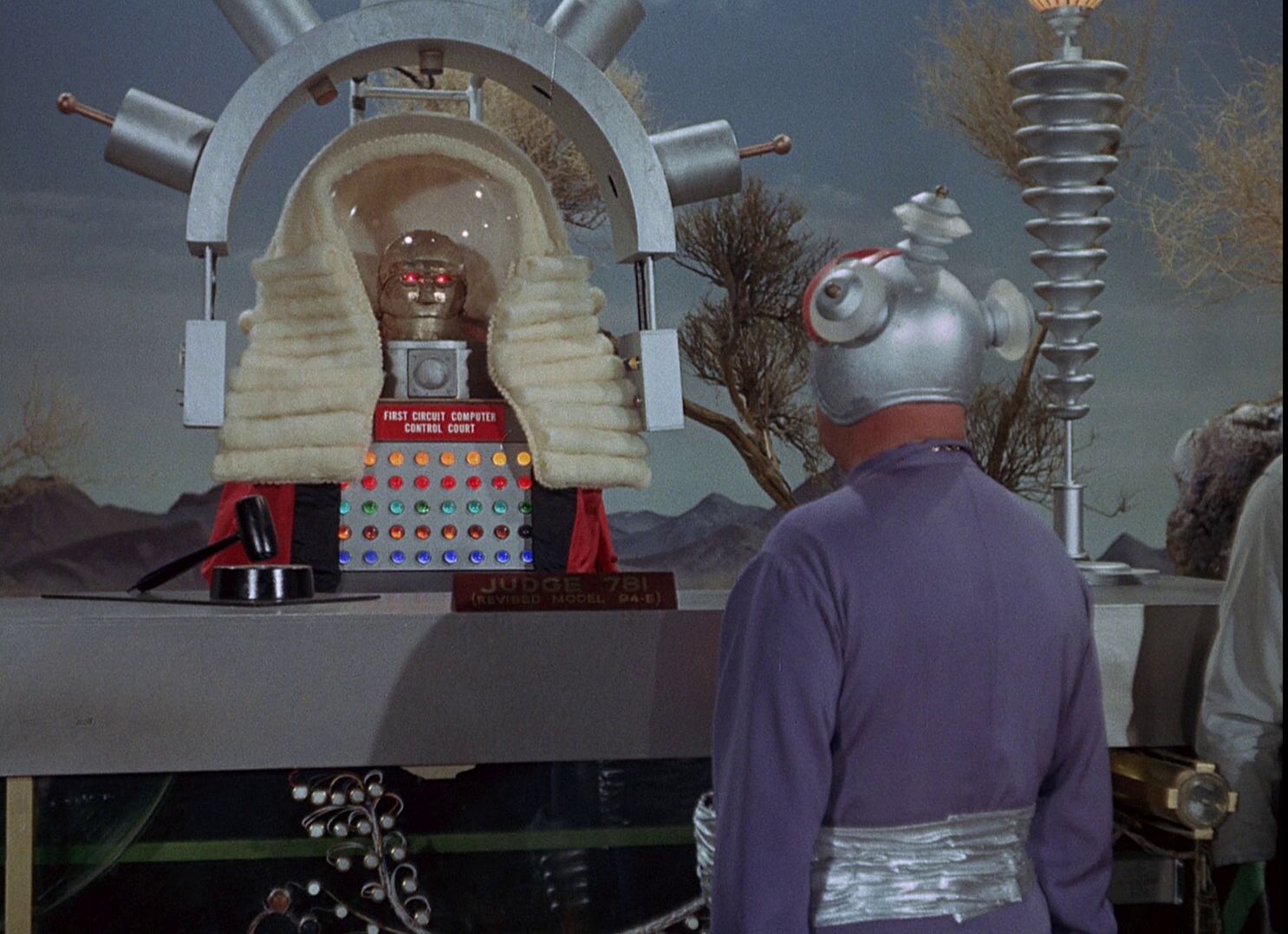
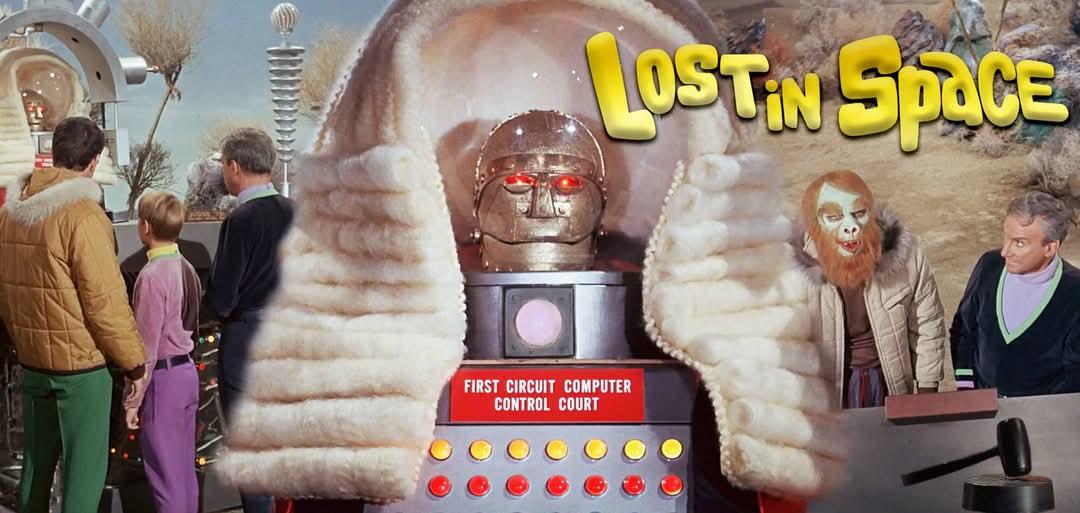
Why did the Warden take a lunch break two minutes into the trial? Why did Smith refuse to take the cake that the Robot made? Isn’t he always hungry? Besides, we’ve seen Smith go out of his way to steal cake on more than one occasion! Early in the episode the Warden says that anyone who helps a prisoner escape is guilty as an accomplice, so why doesn't he bring Will and the Robot up on charges when they're caught trying to help Don and Smith escape?
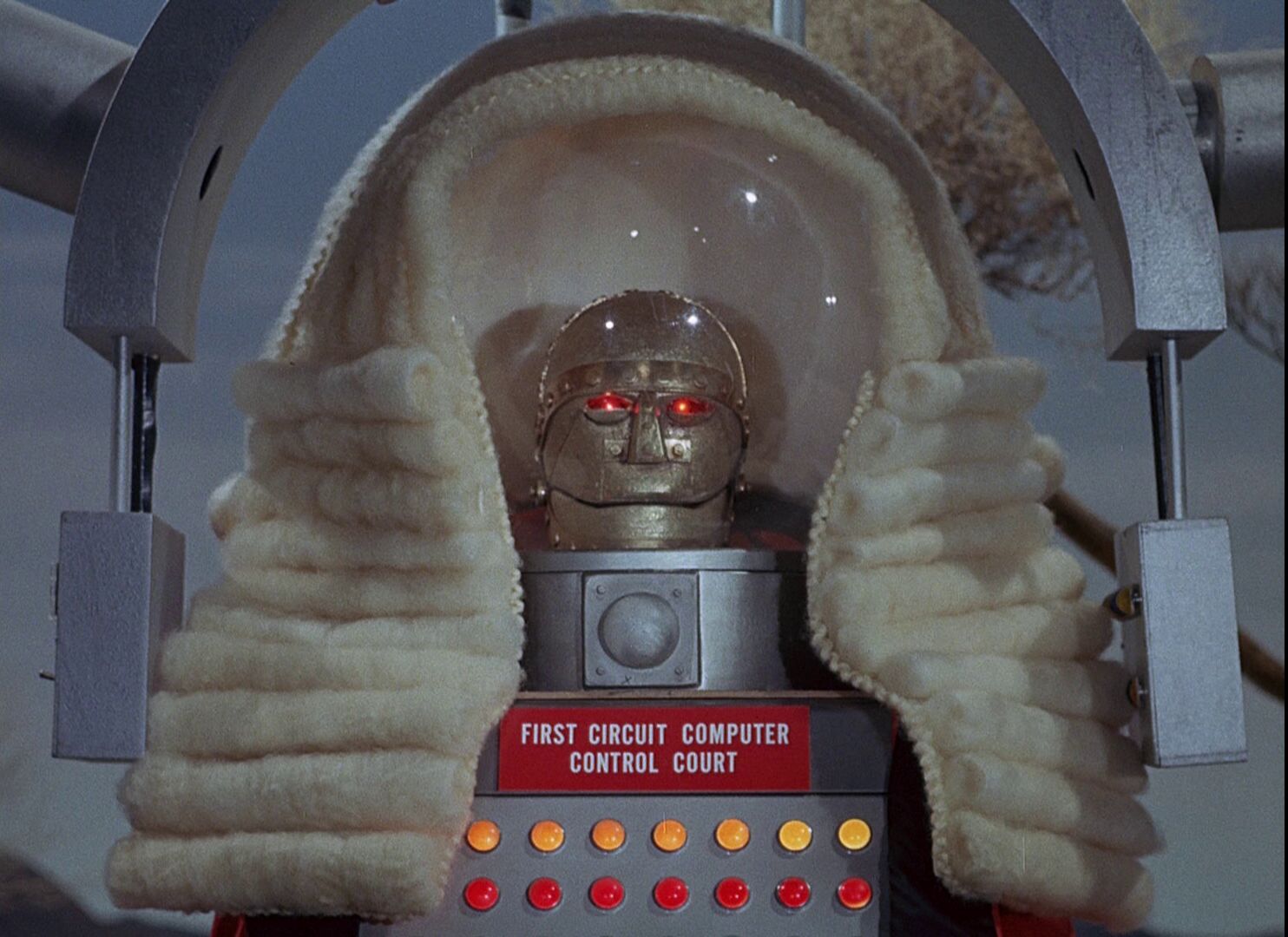
It's surprising that Don is so against trying to escape. Usually he'd be the first one trying to find a way out of a jam. How does Will know that the Warden had set up Devil's Quadrant for the escaping prisoners to be vaporized? In this episode, the Robot announces that he went to Law School. Why didn’t he mention this before? That talent might have come in very handy in the episode “Prisoners of Space”, when the entire Jupiter-2 crew was falsely accused of crimes in space.
Why does the Warden whip his own desk?
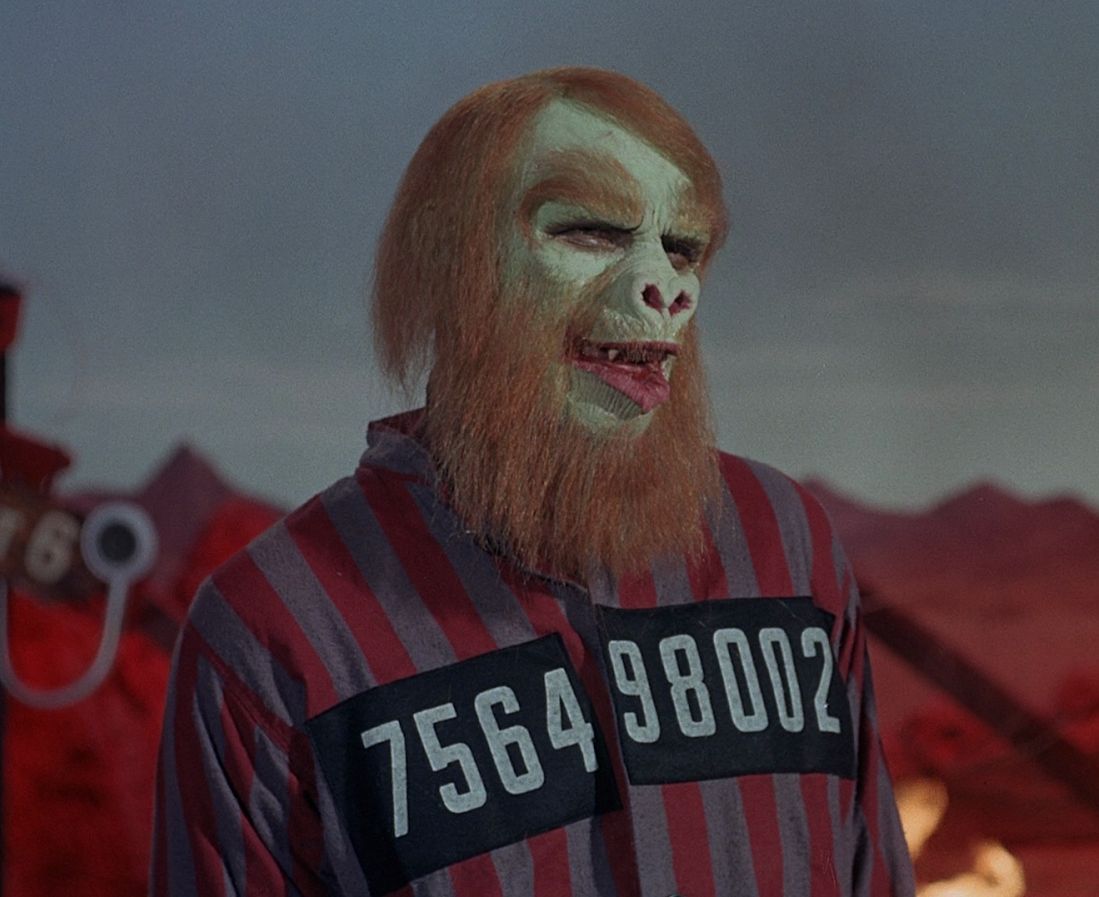
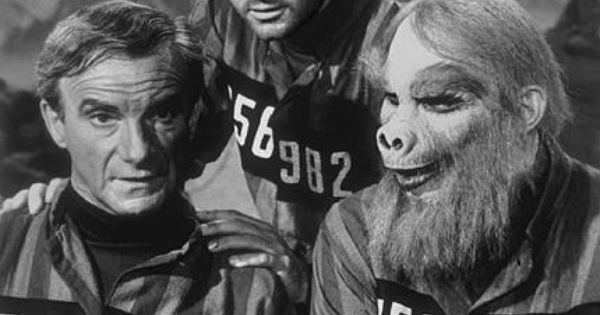
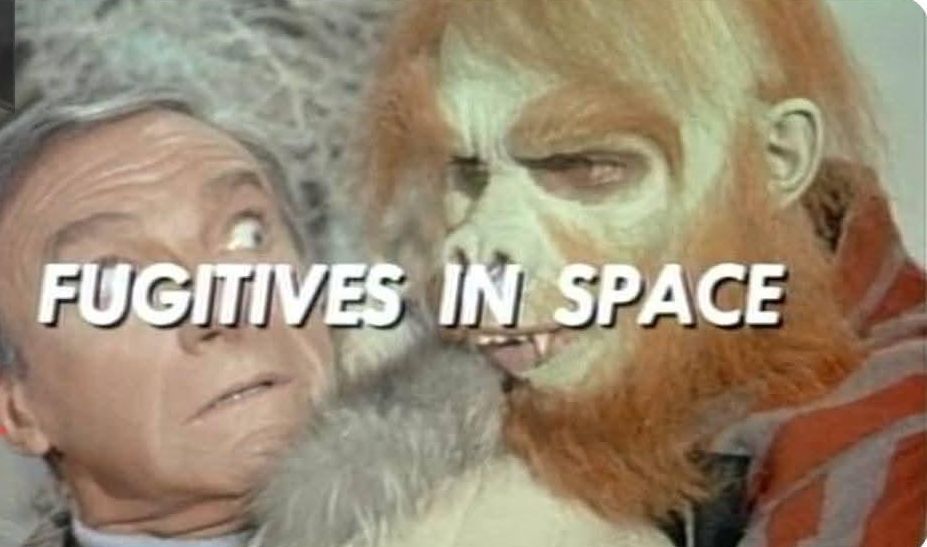
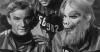
Creech and his fellow prisoners on the prison planet Destruction look like extras from “Planet of the Apes”? I don't see how having Smith and Major West with Creech helps the prison officials find Creech's hidden stash of deutronium. If all they're going to do is simply follow and observe the three prisoners why would it not be equally effective for them to follow just Creech alone?
|
 HOME
HOME
 About
About
 EMail Me
 TOP |
TOP |  PREVIOUS ITEM | NEXT ITEM
  ( 19 of 170 )